

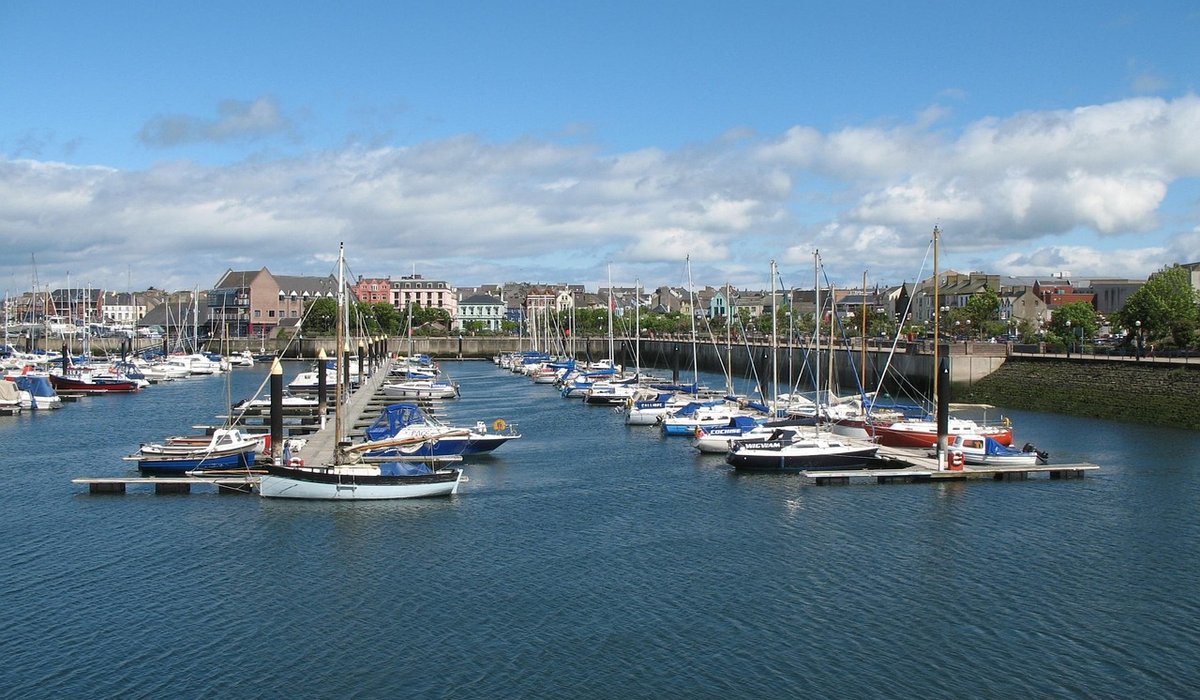
Reading the Coast Through Its Birds
There is no better way to deepen your connection with the British coast than by learning its seabirds. Whether you are moored in a quiet harbour, walking a clifftop path, or motoring gently past a sea stack, the birds around you tell a story about the season, the weather, and the health of the sea. Many boaters and waterside residents can recognise a gull, but gannets, guillemots, and oystercatchers each have their own distinctive silhouette, call, and habitat. Once you can separate them, every trip afloat becomes a wildlife expedition.
Start with Silhouette and Flight Style
Before you worry about plumage details, watch how a bird flies. Gannets have long, narrow, pointed wings and a stiff, powerful wingbeat followed by a long glide. They look like white darts, often flying in loose lines low over the swell. Guillemots are small, dark-backed and white-bellied, with fast, whirring wings that blur as they zip just above the water. Oystercatchers fly with a flickering, direct action, showing bold black-and-white patterns on the wings and back. Distance is no barrier to identification if you focus on shape and rhythm rather than colour.
Gannets: The White Darts of the Open Sea
A gannet is roughly the size of a goose, with a creamy-white body, black wingtips, and a subtle yellowish wash on the head and neck. Its bill is long, heavy, and dagger-like. From a boat, you will often see them circling high before folding their wings and plunging into the sea from a great height — a spectacular fishing technique that sends up a plume of spray. Their call at breeding colonies is a harsh, guttural “arrah-arrah”, but at sea they are mostly silent. Gannets favour deep, open water where they follow mackerel and herring shoals. Look for them from headlands such as those in Pembrokeshire or off the Yorkshire coast, especially in summer and autumn. If you are sailing offshore, a sudden gathering of gannets overhead usually means fish below.
Guillemots and Razorbills: The Cliff-Dwelling Divers
Guillemots are the most numerous cliff-nesting seabird in Britain. They are slim, upright birds with chocolate-brown upperparts and clean white underparts. Their bill is thin and pointed. At sea, they sit low in the water and often tilt their bill upwards. In flight, they look almost like flying penguins — small, fast, and direct. Their call is a growling purr, heard mainly at colonies. Razorbills are close relatives, similar in shape but with a thicker, blunt bill crossed by a thin white line. Both species nest on narrow ledges and sea stacks around the coast, from the Isle of May to the Farne Islands and the Cornish cliffs. From a boat, keep a respectful distance: these birds are easily disturbed, and a single panicked take-off can cost a chick its life.
Oystercatchers: The Noisy Shoreline Pipers
Oystercatchers are unmistakable once seen: black heads and backs, white bellies, pink legs, and a long, bright orange-red bill. Their call is a loud, carrying “kleep-kleep”, often delivered in flight or from a rock as a warning. You will find them on rocky shores, estuaries, mudflats, and even in harbour car parks and marinas, where they probe for mussels and cockles. They are present all year round and often gather in noisy flocks at high tide. On a waterside walk, listen for that piping call before you see the bird — it is one of the most evocative sounds of the British coast.
Other Regulars Worth Knowing
Two more birds are worth learning before you head out. Cormorants and shags are dark, long-necked divers that often perch upright on rocks or buoys with their wings held out to dry. Cormorants are larger and thicker-necked; shags are slimmer and, in spring, sport a small crest. Kittiwakes are small, dainty gulls with black wingtips and a yellow bill, and they call their name: “kitti-wake, kitti-wake”. Fulmars are stiff-winged, grey-and-white gliders that look like miniature albatrosses and nest on cliff ledges. Learning these few species will cover most of what you see from a boat or a coastal path.
Putting It Together on a Coastal Walk
Timing matters. The best birdwatching is often within two hours of low tide, when mudflats and rocky shores are exposed. Take binoculars, and scan the horizon slowly. Listen first, then look. In spring and summer, breeding colonies are alive with activity, but keep your distance and keep dogs on leads. In winter, look for divers, grebes, and sea ducks in sheltered bays. From a boat, maintain a slow, steady course and never steer between a cliff and a raft of birds. Note how onshore winds push seabirds closer to land, and how a change in tide can suddenly bring feeding flocks within easy view. With a little practice, you will read the coast like a local — and every harbour wall, headland, and estuary will become a place of discovery.




John Doe
14 January, 2022Having no content in post should have adverse..
Chauffina Carr
10 April, 2022We use these tests all time! Killer stuff!
Jim Séchen
16 July, 2022Thanks for all the comments, everyone!