

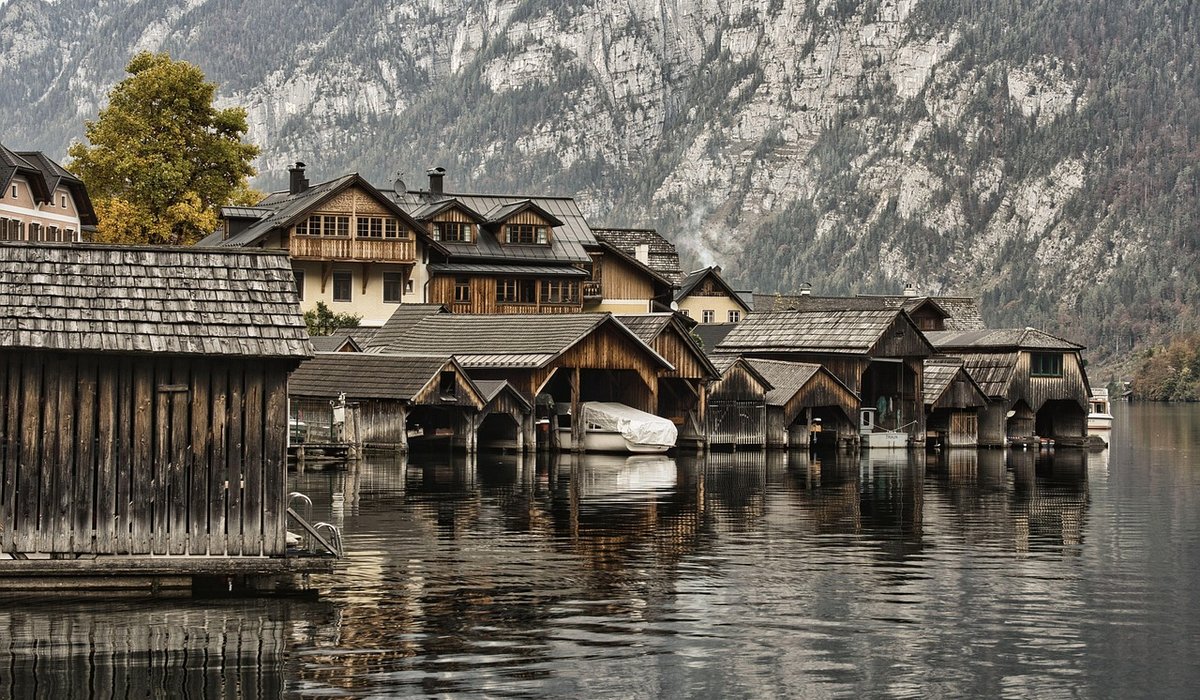
Why Cornwall rewards walkers who follow the water
Cornwall's coastline does something rare: it lets you walk from a working harbour to a clifftop viewpoint in under an hour, then back down again in time for a pot of tea. The South West Coast Path threads around the whole Duchy, but you do not need to tackle it in chunks. The best days out are short, focused routes that start at a harbour wall, climb to a headland, and drop back into a different village entirely.
Walking these paths also teaches you something a boat gives you from the water — how the land shapes the sea. Once you have watched the tide race past a harbour mouth from 200 feet up, you will read your chart plotter differently.
Do the groundwork before you set off
Cornish coast paths are genuinely rugged. A route described as three miles can take two hours with a picnic stop and a few photographs. Before you leave the car, check the following:
- Tides. A printed tide table or an offline app matters on the south coast, where several paths drop onto beaches that vanish at mid-tide.
- Weather. Sea fog can roll in on a still August morning and turn a clear clifftop into a grey wall within twenty minutes. Carry a shell layer even in high summer.
- Footwear. Grippy soles are essential. Granite steps polished by rain and thousands of boots are slippery, and the clay sections stay greasy long after the sun comes out.
- Parking. Village car parks fill by 10am in July and August. Arrive early or use the branch-line trains and local buses, which link many harbours along the north and south coasts.
Four harbour-to-headland routes worth the mileage
These are short enough for a half-day, with a proper viewpoint or two built in.
- Mousehole to Newlyn and Penzance. Roughly three miles of easy path along the shore. The view back to Mousehole's granite cottages and tiny harbour is the postcard shot, and Newlyn's working quay gives you a sharp contrast in scale.
- Mevagissey to Portmellon and Chapel Point. A two-mile out-and-back with a stiff little climb. From the point you look straight down onto the harbour entrance, which is the best place to understand why the entrance is so awkward in a southerly swell.
- Polruan to Lantic Bay. Take the ferry across from Fowey, then climb east. The path is steep in places but the reward is a horseshoe of pale sand seen from above, plus the constant traffic of yachts threading the harbour mouth below.
- Boscastle to Crackington Haven. Six miles of serious up-and-down, with several deep valleys to cross. Come prepared, allow four hours, and treat it as a proper day rather than an afternoon stroll.
Read the water like a boater
Standing above a harbour entrance is the cheapest marine education going. Look for the line of broken water that marks a submerged reef, the darker channel where the dredged approach runs, and the way a swell steepens as it meets a shallow bar. Watch how small boats time their entry, waiting outside for the right moment between sets.
You will also spot the practical furniture of waterside life: slipways, mooring chains, drying harbours where yachts settle onto mud at low water, and harbour walls built to take a beating from the prevailing south-westerlies. If you keep a boat nearby, these viewpoints are the quickest way to judge conditions before you commit to a passage.
Cream teas and other refuelling stops
Most harbour villages have at least one café or bakery doing a proper cream tea, and the etiquette question is settled: in Cornwall, jam goes on first, then a generous spoon of clotted cream on top. Order a split — a warm, fruit-filled bun — if you want the local alternative to a scone.
A few things worth knowing before you plan your stop:
- Many seasonal cafés shut by 4pm, and several close entirely between November and Easter. Check ahead in the shoulder months.
- Harbour-side tables are first-come, first-served at lunchtime. Eat at 11.30am or after 2pm if you want the view without the queue.
- Village shops and pubs are the reliable fallback when the tea rooms are full, and most are happy to fill a water bottle.
- Carry cash for the smaller honesty boxes and ferry fares on remote sections.
Building the day around the walk
The neatest way to do this is point-to-point rather than there-and-back. Park at your finishing village, take the bus or ferry to the start, and walk towards the car — that way the cream tea at the end is a reward rather than a mid-route indulgence. In Fowey, Padstow, St Ives and Mevagissey the ferries and branch lines make this genuinely easy.
Give yourself a buffer either side of high water if your route touches a beach, and aim to be off exposed clifftops before the afternoon sea breeze builds. Done properly, a Cornish harbour walk gives you the best of both worlds: the sailor's view of the coast, and dry feet at the end of it.






John Doe
14 January, 2022Having no content in post should have adverse..
Chauffina Carr
10 April, 2022We use these tests all time! Killer stuff!
Jim Séchen
16 July, 2022Thanks for all the comments, everyone!