

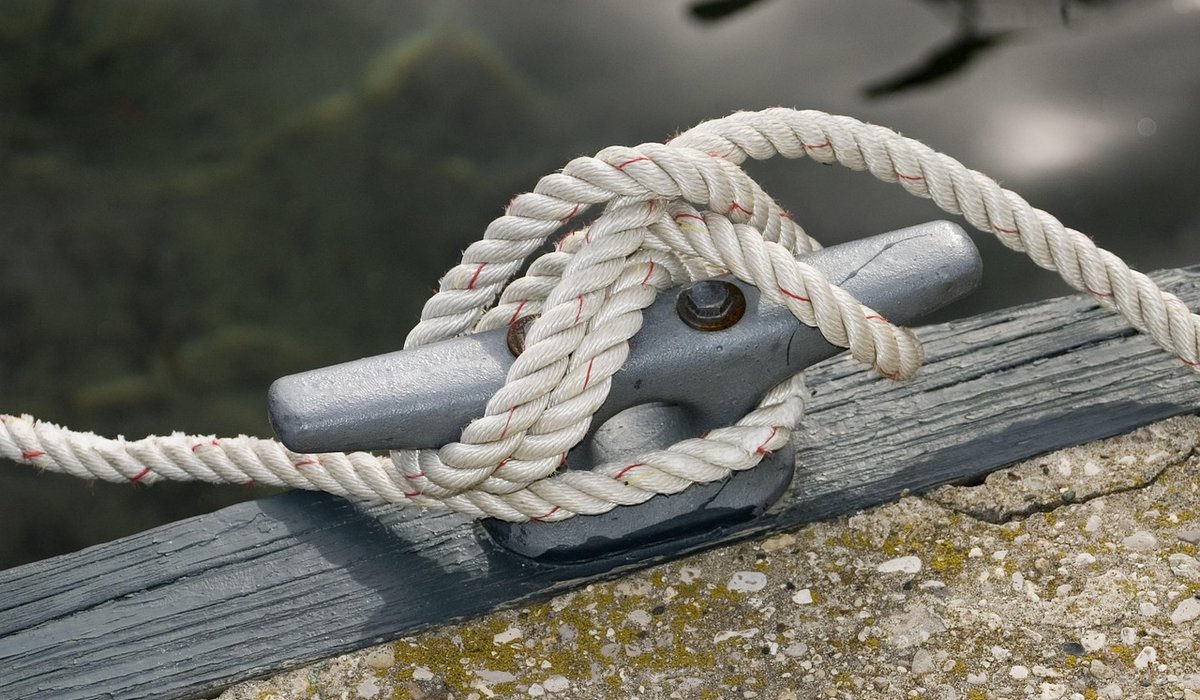
Why These Lines and Fenders Do More Work Than You Think
Mooring lines and fenders are the least glamorous kit on any boat, which is exactly why they get neglected. They sit there quietly through the winter, doing a job nobody notices until the night the wind gets up and something gives. A single 40-knot gust funnelling down a marina fairway, or a swell rolling into a harbour on the spring tides, puts enormous load through a line that may not have been inspected since you bought the boat.
In UK waters we ask a lot of them. Tidal range on the Bristol Channel can exceed twelve metres, the Solent's double high water keeps lines working back and forth for hours, and our weather swings from flat calm to full gale inside a day. Salt, UV and grit do the rest. The good news is that maintenance is cheap, quick, and almost entirely about looking closely.
Rinse the Salt Before It Becomes Sandpaper
Dried salt crystals are abrasive, and once they work their way into the lay of a warp they act like grinding paste every time the line moves on a cleat. Sand and harbour mud do the same job faster. A fortnightly rinse is worth more than any expensive treatment.
Fill a bucket with fresh water and a squirt of mild washing-up liquid or a dedicated rope cleaner, then sponge each line down along its full length. Rinse thoroughly and hang to dry somewhere shaded and airy — not draped over a hot engine box or left in full sun. Fenders get the same treatment: a soft brush takes grit out of the grooves, and a rinse removes the salt film that dulls them.
- Never use bleach, strong solvents or pressure washers on ropes; they strip the protective finish and weaken the fibres.
- Dry lines before stowing. Damp rope in a locker grows mildew and stiffens.
- Store ropes and fenders out of direct sunlight when the boat is laid up.
Inspect for Chafe, Glazing and Stiffness
Run every line through your hands, slowly, from eye splice to bitter end. Your fingers will find damage your eyes miss. Go looking for:
- Chafe at the bow roller, through fairleads, inside chocks, where the line crosses the toe rail, and right at the splice. Check the pontoon cleat end too — that is where it rubs against a sharp edge nobody ever inspects.
- Glazing — shiny, hardened, melted-looking patches caused by friction heat. Once nylon glazes, it has lost much of its strength.
- Stiffness, flattening or hockling, all signs the core or fibres are past their best.
- Thinning, especially at a single repeated chafe point.
A sensible rule of thumb: if more than about a quarter of the fibres at any point are worn through, or you can see the core, retire the line. Move it to a light duty like a spare spring and buy new for the main mooring. Add anti-chafe sleeves, leather at the fairlead, or a length of sacrificial tube wherever a line touches a hard edge. Ten minutes fitting a sleeve can add years to a warp.
Hardware: Shackles, Cleats and Seizing
Shackles are the usual culprit when a boat goes walkabout in a blow. Check every one for elongated or bent pins, cracks around the bow, corrosion pitting and oval wear in the holes. Stainless steel is strong but can suffer hidden crevice corrosion in a salty, oxygen-starved gap; galvanised shackles are fine for moorings if you accept they need replacing more often. Either way, replace anything that looks worn rather than trusting it for another season.
Mousing matters. Cable ties perish in UV within a season or two, so check them each spring and replace with stainless seizing wire where you can. Inspect cleats and their backing plates for movement, and give bolts a tweak — a cleat that shifts under load will chew through a line in one gale. If you use rubber mooring compensators, check the rubber for cracking and the rope tails for chafe.
Fender Care: Pressure, Covers and Storage
Under-inflated fenders squash flat and transfer every impact to the topsides; over-inflated ones can split in summer heat. Check pressure with a proper pump and gauge at the start of the season and again mid-summer. Fender covers are excellent but they trap grit, so wash them and shake out the sand before refitting. Replace any fender line that is frayed or has a corroded clip, and keep a couple of oversized fenders aboard for rafting up or a tight visitor berth.
When the boat comes out or sits idle, deflate fenders slightly and stow them below, out of the sun. UV is what turns them chalky and brittle long before their time.
A Simple Seasonal Routine That Keeps You Afloat
In spring, rinse and inspect every line, replace worn shackles, seize them properly, check fender pressure and fit chafe protection. Through the season, rinse after salty trips and glance at the lines whenever you step aboard. After any named storm, walk the berth and look for fresh chafe, stretched splices or a shackle that has shifted. In autumn, wash everything, dry it, and store it out of the light.
None of this takes long, and it costs far less than a gelcoat repair, an insurance excess, or the awkward conversation that follows your boat resting gently against someone else's. Look after the humble stuff and it will hold you through the worst the weather throws at you.






John Doe
14 January, 2022Having no content in post should have adverse..
Chauffina Carr
10 April, 2022We use these tests all time! Killer stuff!
Jim Séchen
16 July, 2022Thanks for all the comments, everyone!