

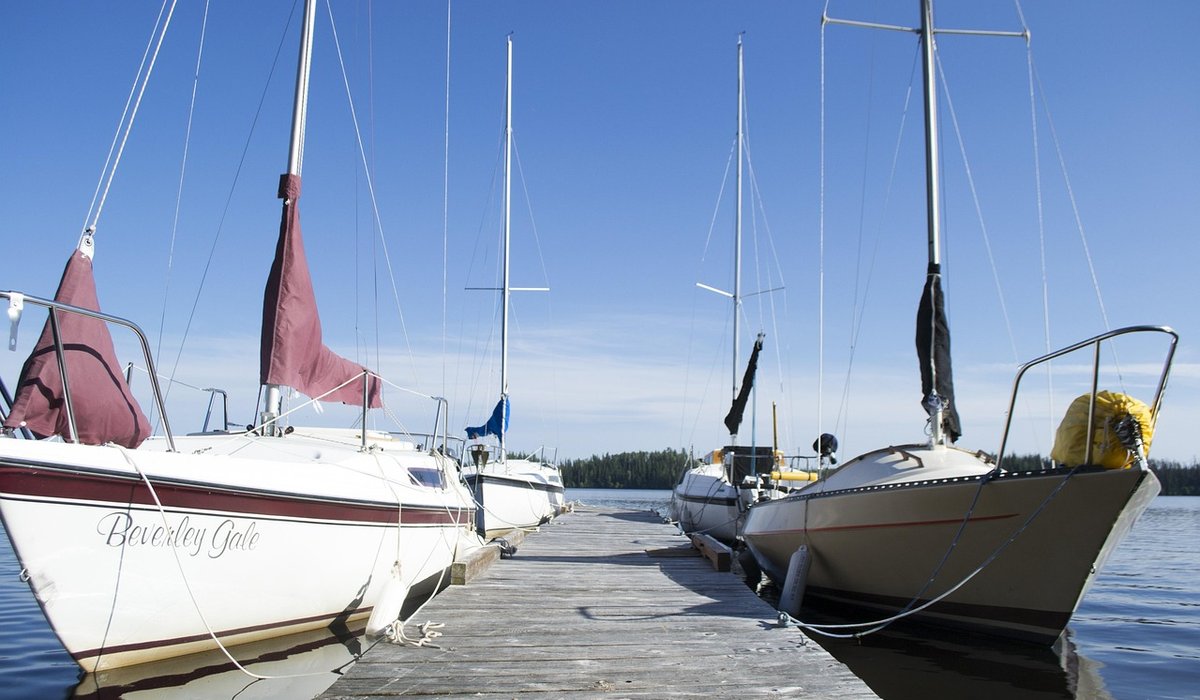
Choose a harbour that flatters your first attempt
For a first overnight passage, resist the temptation to aim for the most glamorous destination on the chart. The best target is a harbour 12 to 20 nautical miles away, one you could plausibly reach in three to five hours of steady sailing. That distance gives you a genuine sense of passage without leaving you committed to a long slog if the wind turns foul or the crew starts to flag.
Look for a harbour with a few practical qualities: an all-tide or long-window entrance, pontoons rather than a swinging mooring, a staffed harbour office or marina, and somewhere to eat within walking distance if cooking aboard goes wrong. A visitor berth alongside a pontoon is far kinder for a first night than picking up a buoy in a dark, tidal river.
Before you commit, check you can arrive in daylight with an hour or two in hand. Arriving at dusk in an unfamiliar entrance, with fenders still in a locker, is the classic way to turn a lovely trip into a stressful one.
Understand the tidal gate before anything else
Almost every harbour on the UK coast has a tidal gate — a window during which the depth or the current lets you come and go safely. Study the sailing directions and the harbour's own notes rather than relying on a single tide table figure. You want to know the charted depth at the entrance, any sill level, drying heights inside the harbour, and whether the gate shifts between springs and neaps.
A gate that gives four hours either side of high water at springs may shrink to barely one at neaps, when the range can be a metre or more smaller. Plan your arrival for the middle of the window, not the edge, and build in a contingency for a foul tide or a wind that refuses to blow as forecast.
- Springs versus neaps: check the tidal range on your chosen date, not just the high water time.
- Wind against tide: a headland or harbour entrance with 20 knots against a spring ebb can turn a calm approach into a steep, confused chop.
- Secondary ports: if your target is a standard port with corrections, apply them carefully, and note any local anomalies such as double high water.
Write a one-page passage plan
A passage plan for a short hop does not need to be a work of literature. One page, kept in the cockpit, is enough. Include the rhumb line courses and distances, expected timing of tidal streams from a tidal stream atlas, waypoints at any significant turns, and the leading marks or transits that guide you into the harbour mouth.
Note the escape ports — the anchorages or alternative harbours you could divert to if the weather shifts. Mark the positions of any unlit buoys, pots or firing ranges along the route. If you are sailing at night, identify the sector lights and the characteristics of the entrance marks so you can recognise them quickly.
Then work the fuel and time sums. Apply the rule of thirds: a third for the outward leg, a third for the return, and a third held in reserve. Fill the water tank, check the engine oil and impeller, and make sure the battery bank is charged before you leave the berth.
Book the visitor berth before you cast off
Ring or radio ahead a day or two before departure. Confirm that a berth will be available for your dates, and give your length, beam and draft so they can place you sensibly. Ask about the depth alongside at low water, whether you will be on a pontoon or a trot, and whether there is a waiting pontoon if you arrive early.
While you have them on the line, gather the practical details that make an arrival smooth:
- The harbour's VHF channel and the call sign of the harbour office.
- Whether you pay in advance, on arrival, or on departure, and whether cards are accepted.
- Access codes for the gate, showers and electricity, and where the water tap is.
- Any local restrictions — speed limits inside the harbour, no-anchoring zones, or a requirement to report to the office before berthing.
If no berth is available, have a plan B ready: a sheltered anchorage nearby, or a second harbour within an hour's sail.
The approach, mooring up and the first night aboard
Call the harbour on VHF before you enter and listen to the channel for other traffic. Brief the crew on the plan: who takes the bow line, who takes the stern, where the fenders go, and what to do if the first approach does not work out. Fenders out and lines ready well before you reach the entrance is the mark of a crew who have done this before, even if they have not.
Harbour entrances often have a stronger tidal stream than the open water outside, so keep enough speed for steerage and be ready to use a spring line early. Once secured, check your lines against the tide. In a harbour with a big range, a line that looks perfect at high water can be bar tight or slack and useless six hours later, so set them with plenty of slack and add springs where you can.
Then do the things that make the night pleasant. Note the departure window for the morning and set an alarm with margin. Have a hot meal, however simple, and a proper cup of tea. Write a few lines in the log about what worked and what you would do differently — the wind that was stronger than forecast, the buoy you nearly missed, the berth that was tighter than expected.





John Doe
14 January, 2022Having no content in post should have adverse..
Chauffina Carr
10 April, 2022We use these tests all time! Killer stuff!
Jim Séchen
16 July, 2022Thanks for all the comments, everyone!